What Can Mouse Droppings Beneath the Sink Reveal?
Mouse droppings beneath the kitchen sink can point to regular rodent activity near plumbing gaps, stored supplies, or a hidden route into the cabinet. Look for nearby gnawing, disturbed items, and new droppings before deciding what to do.
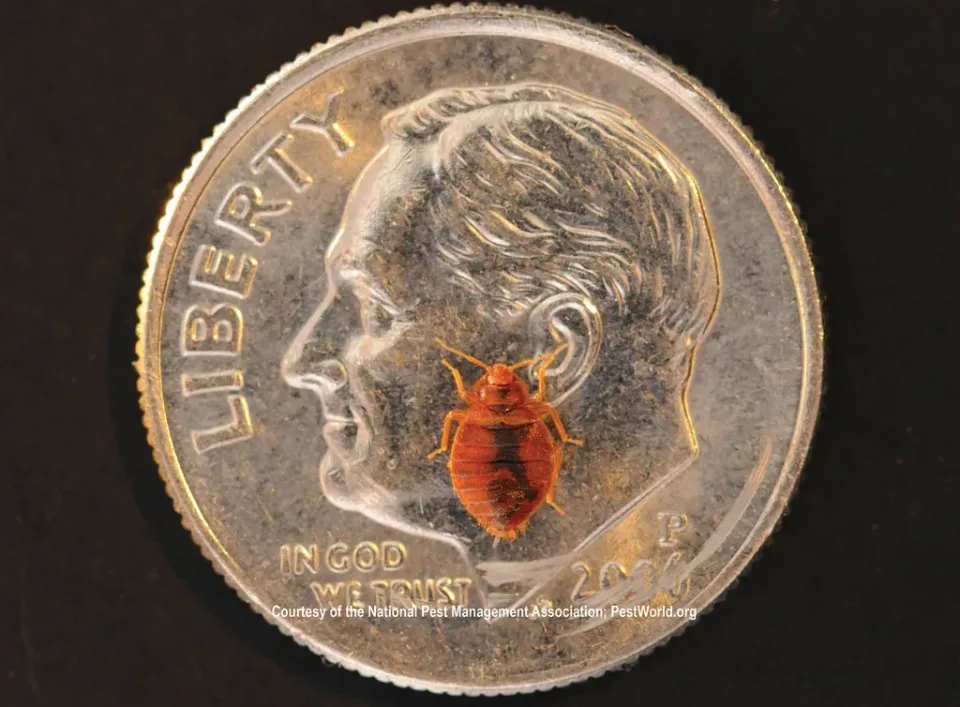
A customer asking for someone to spray for bed bugs may really need help identifying the pest first; spraying without an inspection can waste money and leave the actual problem untouched. Another caller who has already been stung and wants the problem removed immediately needs a prompt, pest-specific assessment, not a guess based on urgency.
Even around homes connected to coastal communities near Block Island Southeast Lighthouse, the right first move is a careful inspection. Check the cabinet and ask for clear findings.
What the droppings can tell you
Mouse droppings beneath the sink are a sign to inspect the space, not proof of how many mice are present. Fresh-looking droppings, gnaw marks, shredded nesting material, and food debris together help show whether activity may be continuing.
Check cabinet corners, the back wall, and the area around plumbing, but avoid disturbing suspected nesting material. A single visible clue can be misleading; our crew looks for a pattern and checks how the cabinet connects to the rest of the home.
In Providence, older houses and busy basements have taught us not to stop at the cabinet door. At homes near the Museum of Work and Culture, for example, a technician should consider the building’s actual layout rather than assume every property has the same access points.
If droppings appear alongside sounds in a wall or food damage, record where and when you found them. That gives an inspection a useful starting point.
Could cabinet conditions be part of the problem?
A damp cabinet, leaking trap, or cluttered storage area can make inspection harder and give a mouse a sheltered route through the kitchen. Fix active leaks and remove items that block the cabinet floor, but do not seal an opening before its purpose is understood. A gap may connect to a pipe chase or another concealed space, and closing the wrong spot can hide the route without resolving activity.
Coastal salt air can speed corrosion on metal equipment, so exterior hardware may need closer condition checks rather than being assumed serviceable. In inland communities, sharper winter temperature swings can also make seasonal rodent concerns more noticeable as people use and heat their homes.
These are different property pressures; an inspection should account for the actual setting. Our process is to document what we find, explain the likely access route, and discuss practical prevention.
When is DIY cleanup enough?
If the evidence is limited to a small, isolated area and no new signs appear, a careful cleanup and close monitoring may be a reasonable first step. Do not dry-sweep or vacuum droppings: CDC rodent cleanup guidance advises wetting them with disinfectant and following its cleanup instructions. Wear disposable gloves, allow the disinfectant to work as directed, then wipe up the material and discard it safely.
Call a professional when droppings return, appear in several places, or accompany gnawed packaging or scratching sounds. These signs suggest the issue may extend beyond the cabinet.
Near Jamestown Windmill, as elsewhere in the state, the property’s construction and access matter more than a one-size-fits-all treatment. Rhode Island Pest Pros can inspect the affected area, identify evidence of activity, and explain whether trapping, exclusion, or both fit the findings.
For more on wall noises, read our guide to scratching inside bedroom walls.
How inspection turns clues into a plan
A useful inspection connects what is visible under the sink with possible activity elsewhere. We check cabinet edges and plumbing penetrations, then look for signs that indicate movement beyond the kitchen. A mouse extermination inspection should end with findings the homeowner can understand: where activity was found, what needs correction, and what follow-up makes sense.
The missed step we see repeatedly is treating the droppings but not addressing access. Traps can remove present rodents, while exclusion work addresses routes into the structure; the right combination depends on the evidence.
We explain those choices before recommending treatment. If you have taken photos, note the date and exact location, but leave the material undisturbed until you can clean it safely or have it assessed.
Which Mouse-Control Option Fits the Evidence?
Under-sink droppings call for a response matched to the evidence: one tool may capture a mouse, while another helps address access or ongoing activity. The table compares common choices without assuming every kitchen needs the same treatment.
Brown University’s older campus buildings are a reminder that construction details can shape inspection plans; a cabinet and wall void may connect differently in each home. Rhode Island’s cold winters can bring pipe-freeze concerns along with rodent-entry concerns, so check plumbing areas and exterior access during seasonal inspections.
Near Roger Williams Park, too, the property itself not the landmark determines the appropriate plan.
| Option | Best for | Key detail |
|---|---|---|
| Snap trap | Capturing an active mouse | Immediate capture; place where evidence indicates activity |
| Exclusion | Blocking a confirmed entry route | Mouse gaps can be about 1/4 inch |
| Rat exclusion | Addressing a larger rodent route | Rat gaps can be about 1/2 inch |
| Bait station | Ongoing rodent control | Placement and inspection should match the site |
How Should You Prepare for a Sink Inspection?
A clear cabinet helps an inspection move from visible clues to a practical plan. Before the visit, note where you found droppings and whether you have seen food damage or other signs.
A home near Apponaug Village may have different access and storage conditions than one near Bristol Harbor, so describe the property rather than guessing at the cause. Newport Cliff Walk and Newport Mansions are useful local reference points, but the relevant details are the home’s own cabinet layout and access. Keep the area undisturbed if you are unsure how to clean it.
-
Record the evidence: Note the cabinet location, date, and any nearby gnawing or damaged packaging.
-
Clear access: Remove stored items from beneath the sink so the cabinet floor and pipe entries can be checked.
-
Mention other signs: Tell the technician about recurring droppings, wall sounds, or activity in another room.
-
Secure pets: Keep pets away from the inspection and any treatment area as directed.
-
Ask about next steps: Request the findings, recommended prevention, and any follow-up plan in plain language.
A few accurate notes can make the inspection more useful.
Get Clear Answers About Sink-Side Droppings
Droppings beneath the sink are a reason to inspect carefully, especially when they return or appear with damage to food packaging. Do not dry-sweep or vacuum them; use CDC rodent cleanup guidance and avoid disturbing the area until you can clean it safely.
In Rhode Island, humid continental conditions with coastal moderation can mean different seasonal pressures from one property to another, so the inspection should reflect the home itself. Standing water after storms supports mosquito breeding, a separate concern worth addressing outdoors rather than confusing it with rodent evidence indoors.
Rhode Island Pest Pros can inspect the cabinet, explain what the signs suggest, and discuss a practical plan. Request mouse extermination service when you are ready to review the findings.